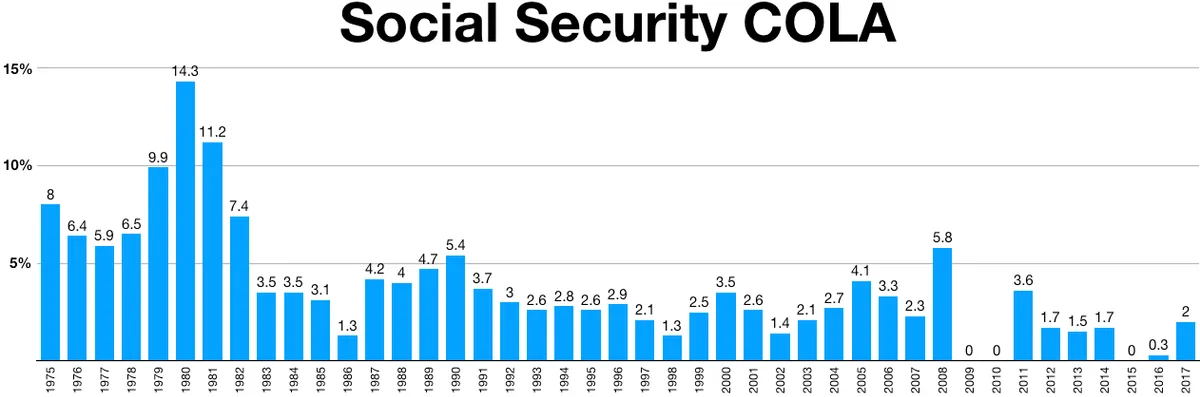
The VA benefits increase 2026 came in at 2.8%, matching the cost-of-living adjustment Social Security announced in October 2025. Federal law ties VA disability pay to that figure. The new rates took effect December 1, 2025, and the 2026 tables now carry every rating tier. For a single veteran at 100%, the monthly payment is $3,938.58.
The raise is automatic for people already on the rolls. No new form is needed and no new claim is filed. What changes is the number on the deposit. This guide walks through how the raise was set and what it means in dollars. It also covers when the raise lands and what it does not touch.
How the VA Benefits Increase 2026 Was Set
The cost-of-living adjustment follows a fixed formula. Social Security compares consumer price data for the third quarter against the same months a year earlier. For 2026 the result was 2.8%, payable with January 2026 Social Security payments. VA matches that percentage by law.
The law leaves no room for a different number. When Social Security sets the percent, VA follows it. The Social Security page is the source of record for the percentage. The VA rate pages are the source for the dollars.
What 2.8 Percent Means in Real Dollars
The lift lands across the whole rating ladder. At 10%, a single veteran now receives $180.42 a month. At 30%, the figure is $552.47. At 50%, it is $1,132.90. At 100%, it is $3,938.58, and with a spouse, $4,158.17.
Dependent tiers rise on the same percentage. A spouse and one child bring the 100% figure to $4,318.99. Every tier appears in the VA.gov tables with the December 1, 2025 effective date printed at the top. The spouse tier, the child tiers, and the parent tiers all move on the same date. No separate filing starts the raise for people already on the rolls.
The lift scales with the rating. A 10% veteran sees a small dollar gain. A 100% veteran sees the largest gain on the page. The exact figures sit in the tables, not in social posts.
When the Higher Payments Land
The effective date and the payment date differ. The new rates became effective December 1, 2025, and the matching Social Security raise became payable with January 2026 payments. VA applies the effective date printed on its tables, so the higher figures govern the cycles that follow.
Survivor pay follows the same cycle. The 2026 Dependency and Indemnity Compensation rate for a surviving spouse is $1,699.36 a month, tax free. Added amounts for children and for some parents ride the same schedule. Survivors need no claim for the raise either. The DIC tables move with the same effective date, and the deposit follows.
Direct deposit timing does not change. The amount changes; the schedule stays put.
What the Raise Does Not Change
A cost-of-living adjustment lifts payment amounts only. It does not change eligibility, ratings, or filing rules. It does not turn a 70% rating into an 80% rating. Veterans who believe a condition has worsened must file for an increase on the evidence, not on the raise.
Separate schedules move on their own calendars. The automobile allowance of $27,908.90 took effect October 1, 2026 under its own rule. The clothing allowance rate of $1,053.19 follows the December cycle. Checking the right table prevents confusion between the schedules. Bonuses and one-time programs sit outside the tables. The raise touches the monthly rates only, and VA.gov separates the pages. For related coverage, see VA Benefits News: How to Separate Real Rule Changes From Rumor.
Conclusion: Check the Rate Tables, Not Screenshots
Every dollar figure in the VA benefits increase 2026 lives on the VA.gov rate pages. The tables show each rating tier, each dependent tier, and the effective date. Beneficiaries who verify there can ignore every forwarded screenshot. One official page settles the month's biggest question in under a minute.