The House on Tuesday turned aside a resolution to impeach Defense Secretary Pete Hegseth, halting an effort to remove the Pentagon chief over his conduct in office and his handling of the war in Iran, according to Associated Press reporting. Republican leaders blocked the push after President Donald Trump signaled strong support for Hegseth, and the vote was largely along party lines.
The vote may only delay the effort. Democrats are set to take control of the House and Senate in January, which changes who controls the floor and the committees. That makes this a useful moment to lay out, in plain terms, how an impeachment of a Cabinet officer actually works, what the resolution against Hegseth contained, and what happens next. For ongoing coverage of programs and oversight fights, the Defense News section tracks these stories as they develop. For related coverage, see Military News Last Week: The Stories That Moved the Pentagon.
What did the House actually vote on?
Kentucky Republican Thomas Massie filed a resolution in the House on Monday, giving Republican leaders two days to bring it to a vote, per the AP's account of the week. Tuesday's vote was a procedural attempt to stop the impeachment push outright by sending the matter back to committee. That is a standard way for a majority to kill a resolution without a direct vote on its merits.
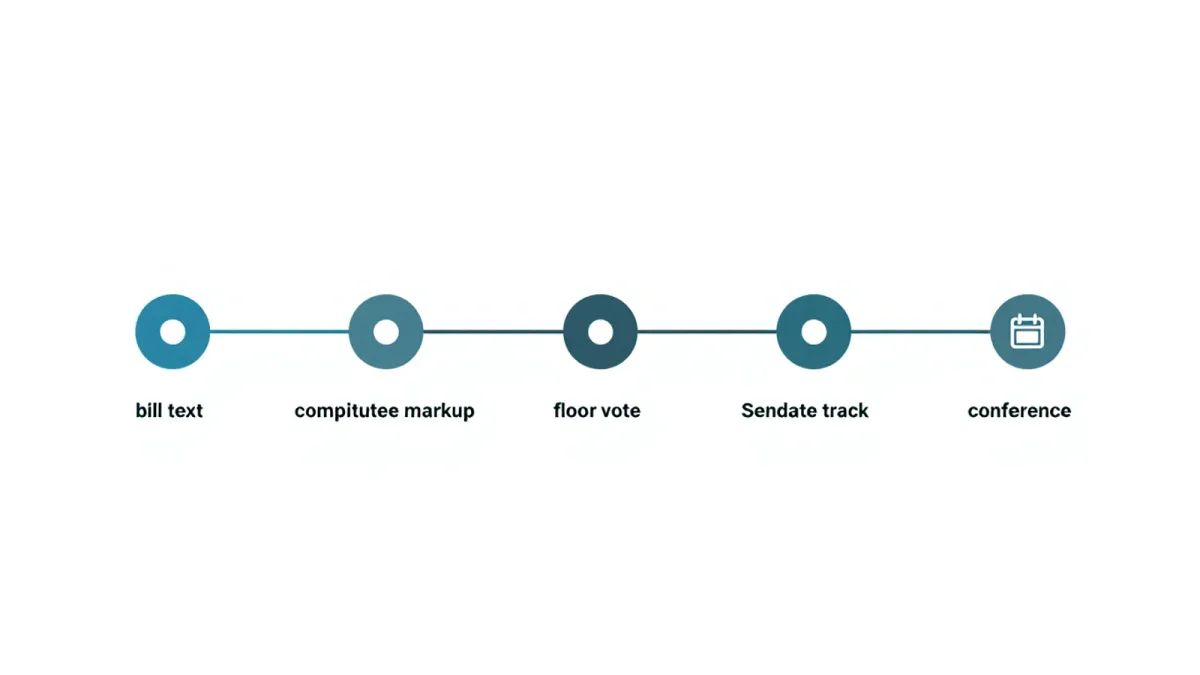
Had the impeachment resolution advanced, it would have set up a vote Wednesday on whether to impeach a key Trump Cabinet member. If it had passed the House, it would then be sent to the Senate, where a two-thirds vote would be needed for Hegseth's removal. That two-thirds threshold is the reason removing a confirmed official by impeachment has historically been rare.
What was in Massie's resolution?
The resolution included eight counts of impeachment. It largely focused on the war in Iran but also referenced Hegseth's role in carrying out military actions in Yemen and Venezuela, according to the AP reporting.
- Reported reductions in staff and resources at a Pentagon office focused on mitigating civilian harm, which preceded a U.S. missile striking an Iranian primary school during the war, killing up to 168 people.
- Hegseth's attempt to punish Democratic Sen. Mark Kelly, a retired Navy pilot, for participating in a video that called on troops to resist unlawful orders.
- U.S. military strikes on alleged drug-smuggling boats in Latin America and the failure to rescue survivors, which Massie argued will encourage adversaries to treat American forces the same way.
Massie says Hegseth has "knowingly executed and implemented unlawful orders." He also pointed to the War Powers resolution clock: "The law requires our military to withdraw from hostilities within 60 days if Congress does not authorize the activity," Massie wrote on social media Tuesday, adding that the Iran war "has been underway for 256 days" and that Congress has not authorized it.
Why did the effort fail this week?
Republicans grapple with fallout from sweeping midterm losses that some in the party blamed on the war in Iran and the resulting surge in gas prices. But after Trump signaled strong support for Hegseth, GOP lawmakers largely stood by the secretary and rejected the effort, per AP reporting carried by the Killeen Daily Herald.
Hegseth rebuked the effort Tuesday in his first Pentagon news conference in six months. He portrayed Massie as a rogue lawmaker, argued he had committed none of the high crimes required in the Constitution for his removal, and called the resolution "policy disagreements, not high crimes, not misdemeanors, not treason, not bribery." He framed the push as an indictment of the nation's service members, saying it was undermining American forces "in real time." "This is not patriotism," Hegseth said. "This is sabotage."
House Speaker Mike Johnson called the resolution a "political gambit for attention" and predicted Republicans would defeat it "one way or the other." Trump praised Hegseth's briefing performance in a social media post, and Vice President JD Vance called the impeachment effort "a ridiculous show that stands in for actual policymaking."
Where do Democratic leaders stand?
House Democratic leader Hakeem Jeffries, expected to become the next speaker when Democrats take charge in January, stood firmly behind the push. He said Hegseth has "abused his power" and "undermined America's national security," and called Hegseth the "architect" of the war in Iran. Senate Democratic leader Chuck Schumer endorsed Hegseth's impeachment as well.
That sets up the central open question. With Democrats holding the House and Senate in January, the procedural shield that protected Hegseth this week disappears. The AP notes the vote may only delay an impeachment push. Whether a new majority files its own resolution, and whether the Senate's two-thirds bar could ever be met, remains unresolved.
What the Constitution says, and doesn't say
What constitutes "high crimes and misdemeanors" is not spelled out in the Constitution, leaving it to lawmakers to decide what are impeachable acts. That ambiguity is the fault line in this fight. Hegseth argues his conduct falls outside it; Massie and the Democratic leaders backing him argue it does not.
Hegseth cast the resolution in historic terms, arguing that no defense secretary has been impeached in the nation's 250-year history "for carrying out lawful military operations." The AP notes that more recently, a Cabinet official in President Joe Biden's administration faced impeachment activity as well, so attempts to remove senior officials by this route are not new, even if convictions are. We covered a connected angle in Military News in October: What the Season Means for Defense Stories.
Why this matters to service members and veterans
Impeachment fights at the Pentagon land hardest on the people in uniform, whatever the outcome. Hegseth himself framed the resolution as telling adversaries that the United States "will actually punish its own warriors and its own civilian leadership for successfully executing lawful military operations." Massie's counterargument runs the other way: that strikes without congressional authorization, and a failure to rescue survivors of the boat strikes, put American forces at greater risk of reciprocal treatment.
Both arguments concern the same readers: troops executing operations, and veterans of the Iran, Yemen and Venezuela-related actions whose conduct may be examined in any future proceedings. For related coverage of oversight and policy fights, see Government News and the Cover Story section.
What remains unknown is the January outcome. The evidence this week establishes only that the current House majority stopped the effort and that both parties' leadership intend to keep the question alive. The Senate's two-thirds requirement, the composition of the next Congress, and any findings from committees are the facts that will decide it, and none of those has been settled.