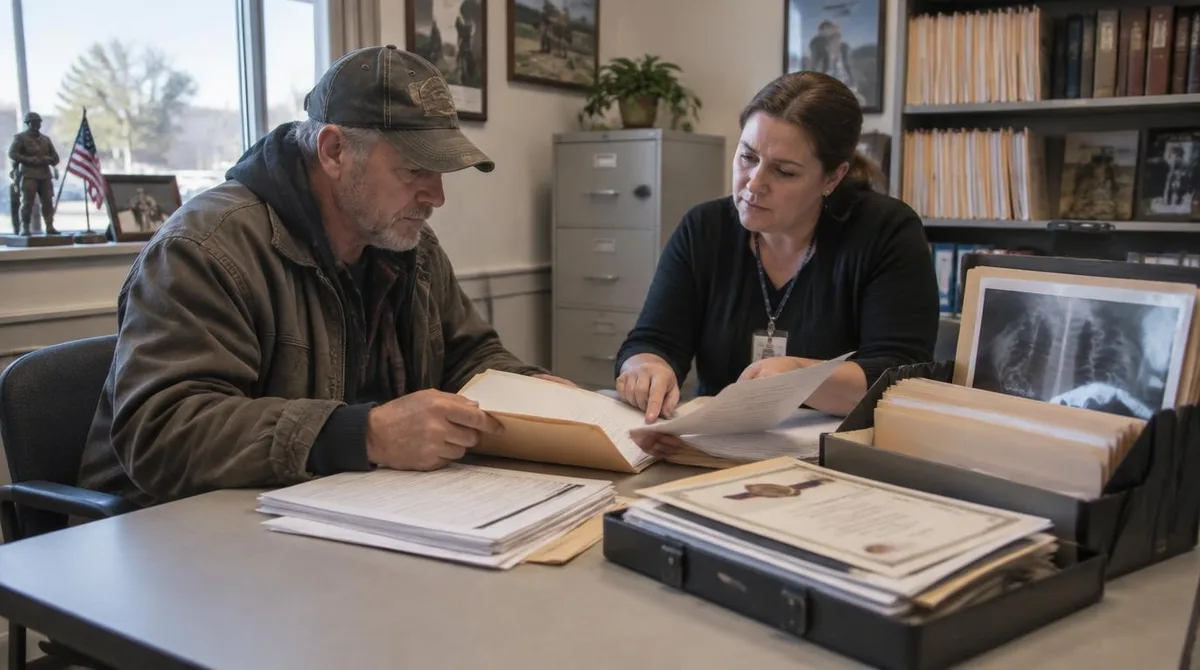
How long does a VA claim take? There is no single answer, because a claim is not one step. It is a sequence: intake, evidence gathering, review, possibly an exam, then a rating decision and a notification letter. Each stage moves at its own pace, and the total time depends far more on how complete the file is than on anything a veteran does at the end.
The short version: a claim with complete evidence and a clear link between a condition and service moves faster. A claim with missing records, unclear conditions, or a need for more exams moves slower. This guide walks through each stage, explains what happens in it, and identifies the sticking points that stretch the wait.
What happens first after a claim is filed?
Once VA receives a claim, it logs it and assigns it to a regional benefits office. The first real milestone is a letter confirming receipt and listing what the veteran has asked for. From there, VA reviews the claim to decide what evidence it needs and who has to provide it.
This early review sets the pace for everything else. VA separates evidence into two buckets: records it can pull itself, such as federal service treatment records, and records the veteran must supply, such as private medical files or proof of events in service. The duty-to-assist rules mean VA helps obtain many records, but the request process itself takes time, and each outstanding request keeps the claim open.
What does VA do during the evidence-gathering stage?
This is usually the longest stretch of the process. VA requests service records, treatments records, and any other documents relevant to the claimed conditions. If a condition may be connected to service but the file does not show the link, VA may schedule a compensation and pension exam, often called a C&P exam. That exam is a medical appointment, not a treatment visit; the examiner's report becomes key evidence.
Practical steps that shorten this stage are simple ones:
- File with every relevant record already attached, rather than letting VA chase them.
- List each condition separately and clearly, so no exam request has to be added later.
- Attend every scheduled exam, or reschedule promptly. A missed exam stops the claim until it is resolved.
- Respond quickly to any VA letter asking for more information. Unanswered requests can lead VA to decide on an incomplete file.
Veterans who want help assembling records can start with the site's guide to VA Claim Evidence: What Records You Need and How to Get Them, which maps the documents most claims need.
What happens between the last exam and the decision?
After evidence closes, a ratings specialist, called a rating Veterans Service Representative, reviews the whole file. That reviewer matches each claimed condition against VA's rating criteria, decides whether the condition is connected to service, and assigns a percentage rating where warranted. The output is a decision letter, sometimes called a rating decision, followed by a notification letter that explains the outcome and the appeal options.
Two things commonly slow this stage. The first is a file that grew during review: a new exam request, or a record that arrived late. The second is complexity. A claim covering several conditions, or one that requires the reviewer to weigh conflicting medical opinions, takes longer to rate than a single straightforward condition.
What actually makes a claim move faster or slower?
Our analysis of how the process is structured points to three factors that matter more than anything else.
Completeness at filing. A claim that arrives with service records, current medical evidence, and a clear statement of each condition gives VA little to chase. Every missing item is a letter, a wait, and a follow-up.
Clarity of the claimed conditions. Vague descriptions force VA to interpret, request clarification, or add exams. Specific ones let the reviewer go straight to the rating criteria.
Responsiveness. VA correspondence runs on deadlines. A veteran who answers requests within days keeps the file moving; one who answers weeks later adds that time back onto the total.
Nothing in the process rewards speed at the expense of accuracy. Filing before the evidence exists usually produces a denial that must be appealed, which takes longer than filing a complete claim in the first place.
Does accredited representation change the timeline?
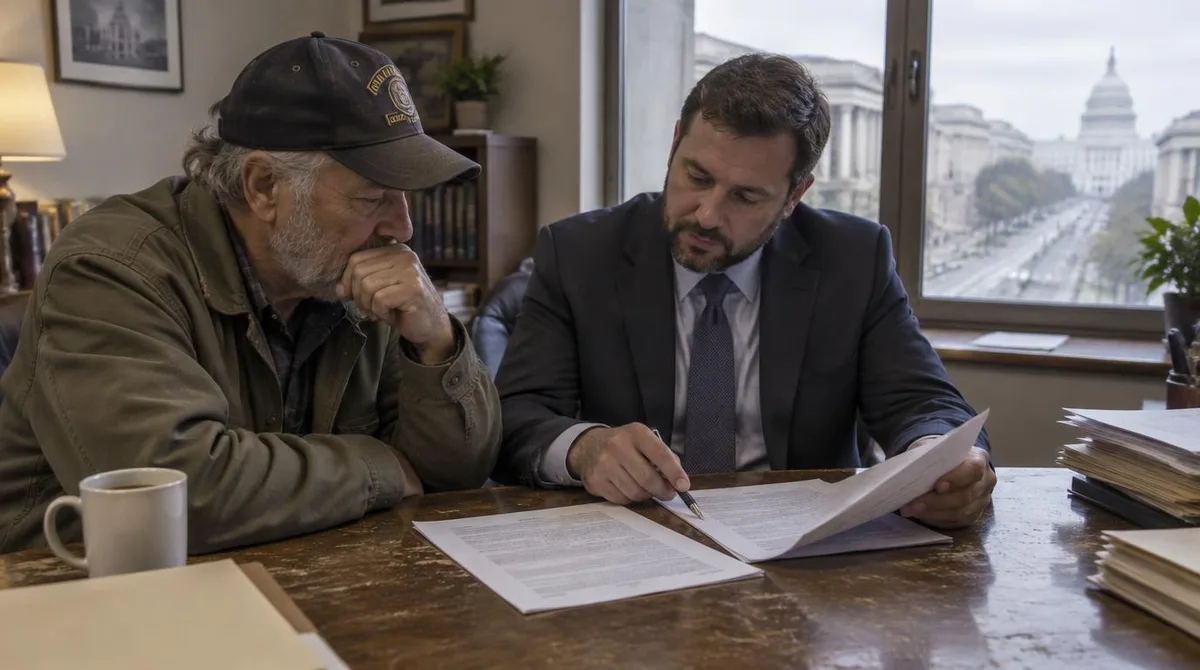
Accredited help does not create a fast lane. VA processes claims in the order they are ready, not by who represents the claimant. What a representative changes is the quality of the file: a Veterans Service Organization representative or an accredited attorney knows which records to attach, how to frame each condition, and how to respond to development letters without delay.
VA itself points veterans toward VA accredited representatives as a resource for claims help, and the agency's Veterans Benefits Administration site lists them among its core resources alongside its main support line, 1-800-827-1000. Anyone considering paid help should read the site's explainer on VA Benefits Attorney: Accreditation, Fees and When Hiring Helps first, because accreditation and fee rules apply.
Representation matters most at two moments: a complex initial claim with many conditions, and any claim heading into the appeals system after a denial.
What are the common sticking points?
Four problems account for most delayed claims.
- Records VA cannot easily reach. Private treatment records held by a civilian provider, or records from long-closed facilities, can take substantial time to obtain.
- Missed or rescheduled exams. Each one resets part of the schedule.
- Unclear service connection. If the file does not show a current condition tied to service, VA must investigate before it can rate anything.
- Changes to the claim itself. Adding conditions after filing, or filing additional forms, can restart parts of the review.
Veterans filing long after discharge face a version of the first problem: older records are harder to locate. The site's guide on Applying for VA Disability Benefits Years After Service: A Guide covers that situation in detail. This connects to our earlier piece, Applying for VA Disability Benefits Years After Service: A Guide.
What this means for your claim
The claim lifecycle rewards preparation, not urgency. A veteran who files once, with complete evidence and clearly listed conditions, gives VA the shortest possible path from intake to decision letter. A veteran who files thin and patches later should expect the process to stretch with every new request.
The official next step is straightforward: file through VA's own channels, attach what you have, and keep a copy of everything submitted. For questions while a claim is pending, VA's main benefits support line is 1-800-827-1000, and the agency's Veterans Benefits Administration site lists regional benefits offices where in-person help is available. More explainers on the claims system live in the site's Legal & Claims section.