Iran's Revolutionary Guards say they struck a US air-defense radar system in Bahrain with six drones early on Sunday, while the US military's Central Command says it shot down two Iranian drones targeting the island and reported no casualties or damage. Both accounts come from the parties themselves, per France 24, so what is established is the attack attempt and the competing claims, not the extent of any damage.
The strikes matter for two reasons. First, they end a lull: Bahrain had gone without attack warnings since September, and this is the second targeting of the country in three days. Second, they put a US-hosted radar system, not just Gulf civilian infrastructure, back in the line of fire in a war that began on February 28 with surprise US-Israeli strikes that killed Iran's supreme leader, Ayatollah Ali Khamenei. For service members and families tracking the region, the practical takeaway is that hostilities around US bases in the Gulf have resumed after months of relative quiet. Our defense news coverage follows these developments at the policy and program level. Readers following this should also see Applying for VA Disability Benefits Years After Service: A Guide.
What exactly does Iran claim happened?
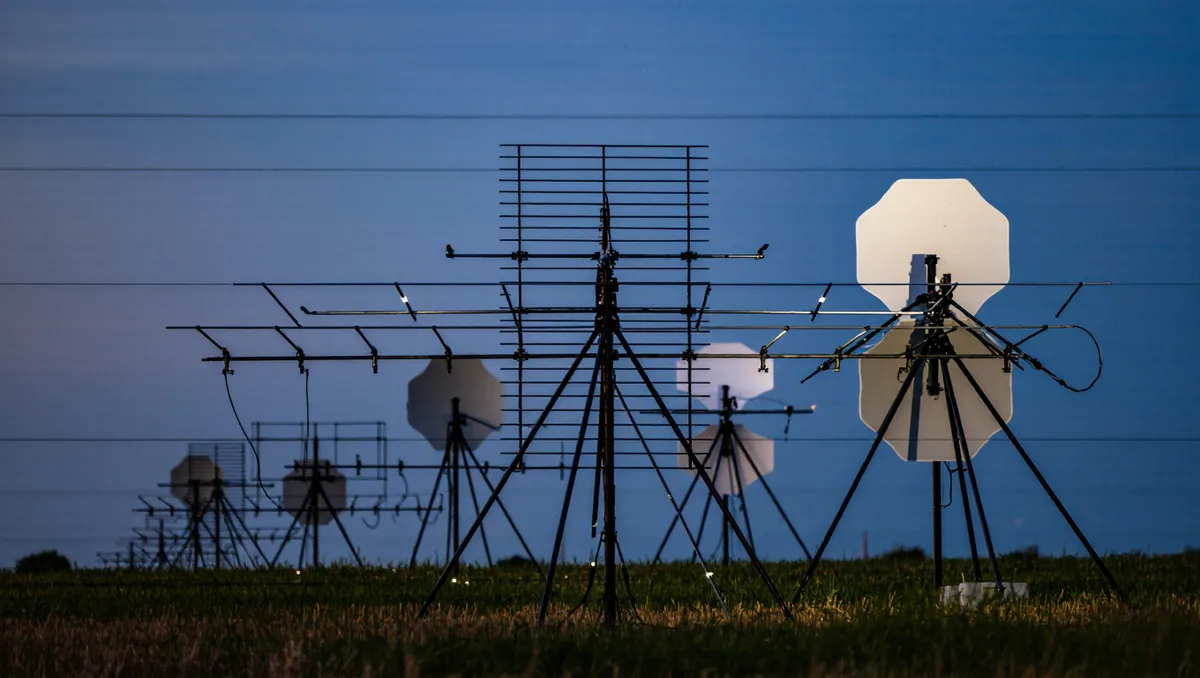
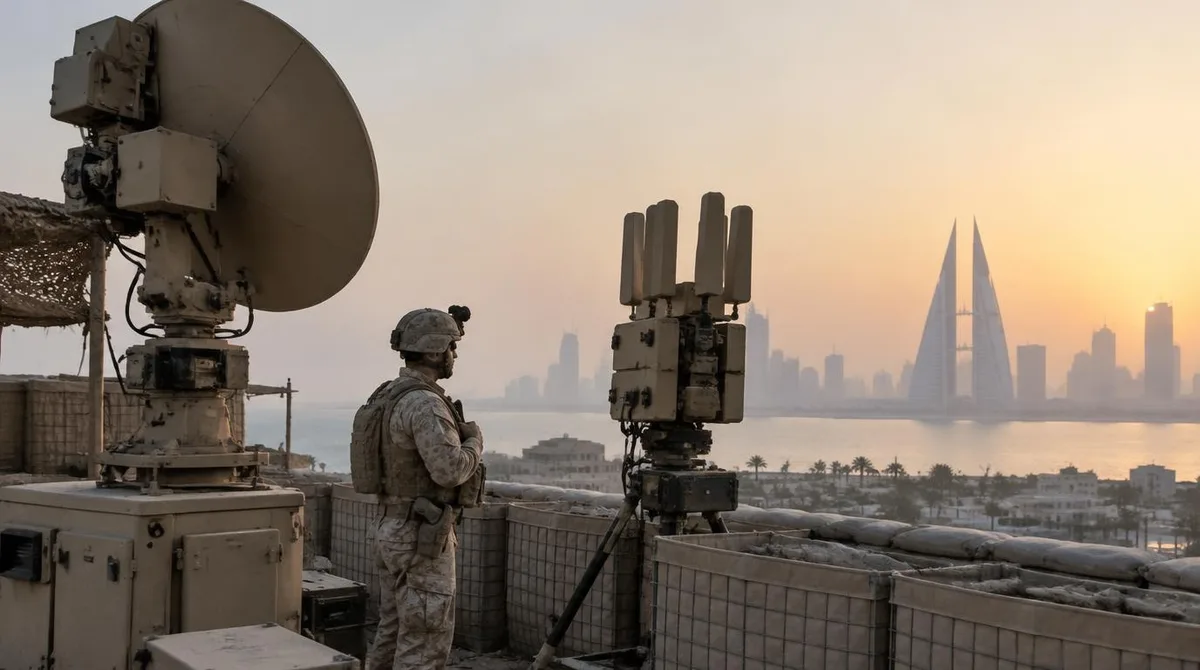
According to a statement carried by the Iranian state broadcaster on Telegram, "The US air defence radar system at the Al-Riffa helicopter base in Bahrain was targeted by six drones belonging to the IRGC Aerospace Force." The Guards also declared that "The Strait of Hormuz is closed, and any aggression by the American enemy will be met with an even harsher and more forceful response."
These are claims by Iran about its own operation, and they should be read as such. Iran is the attributed source for the drone count and the target; it is not independent verification of effect.
What does the US side say?
Central Command, which oversees American military operations in the region, said it shot down two Iranian drones targeting the Gulf island and reported no casualties or damage in the attack, per France 24's reporting. Bahrain's military said it intercepted several Iranian attacks, "preventing them from reaching their intended targets," and the foreign ministry said air-defense systems shot down Iranian drones. This connects to our earlier piece, VA Claim Evidence: What Records You Need and How to Get Them.
The gap between six drones claimed and two shot down reported is the kind of discrepancy that defines this stage of any strike cycle. Neither government's account independently confirms the other's.
What happened on the ground in Bahrain?
An AFP journalist heard explosions around 4 a.m. local time (0100 GMT), with residents reporting a second series of blasts around 6:30 a.m. Sirens sounded, and authorities posted several alerts on social media urging residents to seek shelter — their first warnings since September. Bahrain's interior ministry, posting on X, called on "residents to remain calm, proceed to the nearest safe location, and follow news through official channels."
Why Bahrain, and why now?
Bahrain hosts a major US naval base and, per the reporting, has weathered thousands of Iranian drone and missile strikes since the war began. The energy-rich Gulf has borne the brunt of Iranian strikes, which have hit airports, seaports, energy facilities and US assets across the region. On Friday, the Guards said they targeted a US early-warning radar system in Bahrain — the first strike against a Gulf country since early September.
Bahrain's foreign ministry said the country "rejects turning its territory into an arena for settling scores and holds Iran fully responsible for these attacks and their consequences." That is a formal protest, not a policy change, but it signals rising friction between Tehran and a Gulf state hosting US forces.
What comes next?
Months of diplomacy have failed to resolve the war. US President Donald Trump plans to discuss the conflict at a trilateral meeting with his Chinese and Russian counterparts this week, an official said Friday, according to France 24. Separately, CENTCOM said last month it had helped Gulf countries export 1.5 billion barrels of oil since the summer via Hormuz — a figure that shows how much commercial traffic the closed strait now affects.
What remains unknown is whether the radar strikes mark a sustained resumption of attacks on US bases or a short flare-up. The claims and counterclaims above are the verified record so far. For readers whose families are stationed in the region, official channels and command guidance remain the reliable source for any local instruction. Veterans and families with questions about benefits affected by deployments can start with our veterans benefits hub, and individual claims questions belong with accredited representatives.